
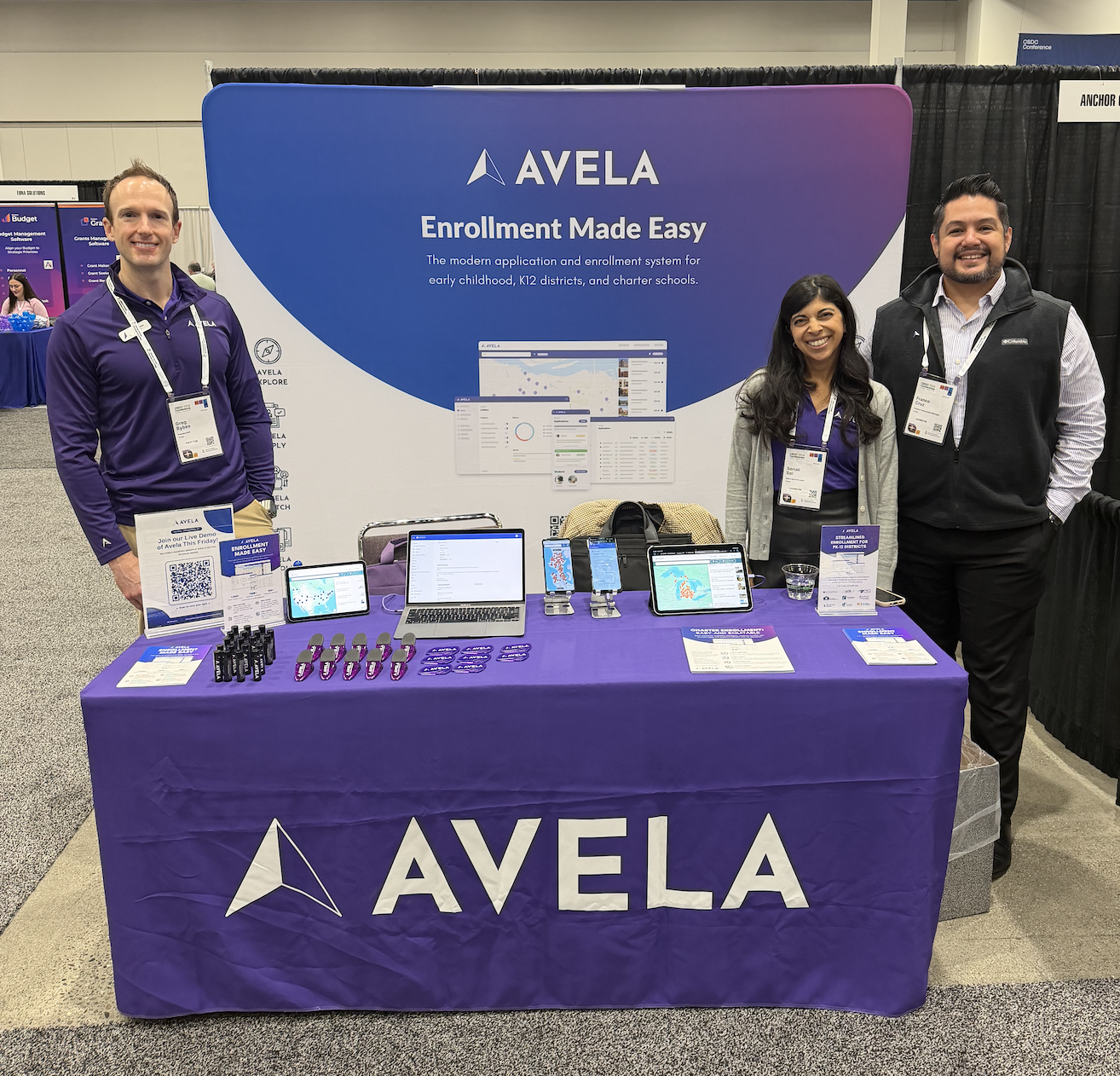
The Charter Schools Development Center (CSDC) Fall Conference packs a lot into three days in Sacramento. There were more sessions than any one team could attend, and plenty of good hallway conversations between them.
This isn't a full recap. It's three ideas we heard that stuck with us, partly because they're useful and partly because they surprised us. One is about enrollment math, one is about how families find your school online now, and one involves light poles.
1. Enrollment is falling faster than anyone planned for, so know your own numbers
In "The Growth Playbook," presenters from Grow Schools, CSMC and The School of Arts and Enterprise (The SAE) in Pomona started with a sobering number. California's public schools enrolled 5.73 million students in 2025–26, down 1.3% in a single year. The state had budgeted for a 0.2% dip, so the real drop was more than six times larger than planned.
Charters have held up better, slipping 0.3% after a record year of nearly 728,000 students. But the message was clear: they aren't immune.
The session's advice was to stop leaning on statewide averages and ask four questions about your own school:
What's your three-year trend, grade by grade? A strong year overall can hide a weak entry grade.
Are your entry grades full? TK, K, 6 and 9 shape your enrollment for years.
Who comes back? In the presenters' words, re-enrollment is "the cheapest enrollment you'll ever get."
How many seats can you realistically fill? Compare your building's capacity to the families you can actually reach.
The line that stuck with us was the "downward spiral." Enrollment dips, revenue falls, programs get cut, and then more families leave. The earlier a school spots the first step, the more options it has.
Our take: those four questions are much easier to answer when your application, lottery and re-enrollment data live in one place, instead of in three spreadsheets and an inbox.
2. Families are asking AI about your school. Make sure your website has good answers.
More parents now start their school search by asking ChatGPT or Google's Gemini AI a question, rather than clicking through multiple links. One session we attended boiled the response down to three goals for your website:
Discoverable: can AI find your most important information?
Understandable: can a busy family quickly see what makes your school different?
Actionable: can they easily take the next step toward applying?
The big idea: specific answers beat generic claims. A paragraph stuffed with keywords won't help as much as clear, consistent facts and plain answers to the questions families actually ask. AI is serving humans, so write for the human.
Our favorite tip was the competitor swap test. Read each claim on your homepage and ask: could the charter school down the street say the same thing, and would it be true? If so, rewrite it into something only you can say.
Two more easy wins: ask an AI tool what it thinks of your school's website, and don't neglect your metadata.
3. The old-school marketing idea we didn't expect: light pole banners
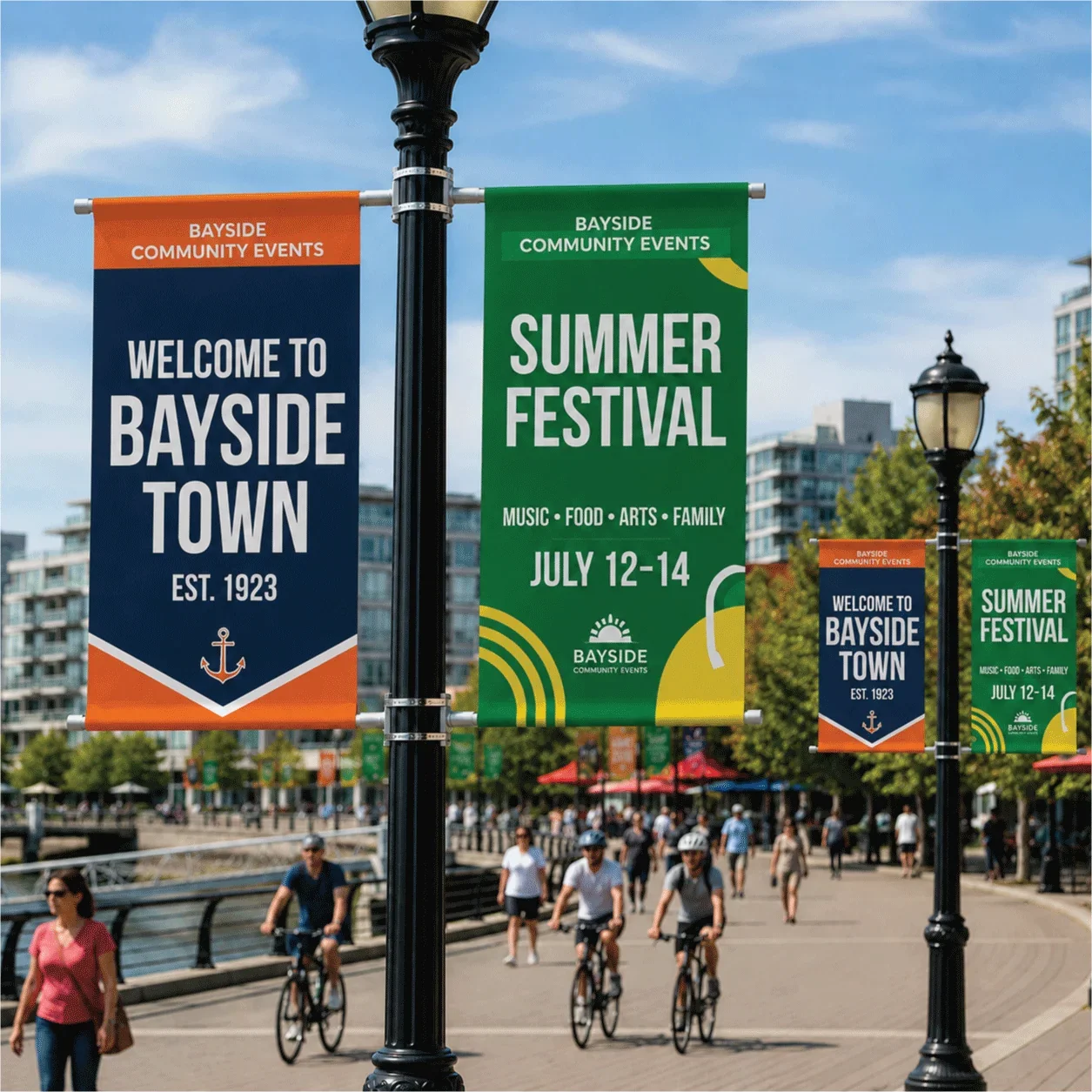
After all that talk about AI, one of our favorite ideas of the conference was decidedly offline. A colleague heard a school describe hanging banners on light poles around town.
The school said applications went up in the months that followed. The banners were reasonably affordable compared with other ad spend, and the surprise benefit was re-enrollment. Seeing their school on Main Street made students and parents proud. The banners gave the school a sense of polish and prestige that a social post can't quite match.
That ties neatly back to takeaway #1. If re-enrollment is the cheapest enrollment you'll ever get, anything that makes current families proud to be there is worth a look. It's a good fit for districts with choice programs, too.
Until Next Year, CSDC
Thank you to everyone who stopped by booth #513 and to the CSDC team for another great conference. If you missed us, or want to keep talking about enrollment, we'd love to hear from you.
